Traditional design style is characterized by its timeless elegance, rich history, and emphasis on comfort and formality. Here are some of its key elements:
Key Elements of Traditional Design Style:
- Timeless Color Palettes: Traditional design often employs muted, neutral tones for walls, which serve as a backdrop for bolder accent colors like jewel tones (red, green, blue) and warm earth tones.

- Ornate Details: Intricate details like moldings, cornices, and decorative trims add depth and visual interest to traditional spaces.

- Rich Textures: Traditional design embraces a variety of textures, including velvet, silk, linen, and wool, creating a luxurious and inviting atmosphere.

- Symmetrical Layouts: Traditional spaces often feature symmetrical layouts, with furniture arranged in balanced groupings.
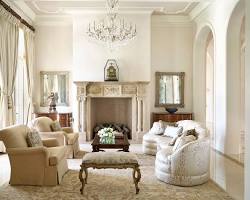
- Classic Furniture: Traditional furniture is typically characterized by its ornate details, curved lines, and rich wood tones. Popular pieces include wingback chairs, Chesterfield sofas, and antique armoires.
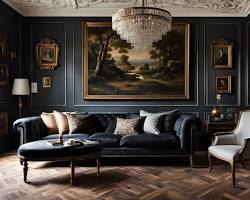
- Patterned Textiles: Traditional design incorporates patterned textiles like floral prints, damask, and stripes, often used in upholstery, curtains, and rugs.

- Antique and Vintage Accents: Antique and vintage pieces, such as paintings, sculptures, and decorative objects, add character and history to traditional spaces.
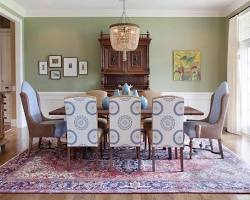
- Natural Light: Traditional design often incorporates large windows and skylights to maximize natural light, creating bright and airy spaces.

- Formal Dining Rooms: Traditional homes often feature formal dining rooms with large tables, elegant china cabinets, and crystal chandeliers.

- Cozy Living Spaces: Traditional living rooms are designed for relaxation and socializing, with comfortable seating arrangements, fireplaces, and plenty of bookshelves.
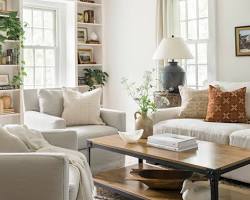
Additional Tips for Incorporating Traditional Design:
- Start with a foundation of neutral colors: This will create a timeless base for your design.
- Layer in patterns and textures: Use patterned textiles and textured surfaces to add visual interest.
- Incorporate antique and vintage pieces: These will add character and history to your space.
- Don’t be afraid to mix and match styles: You can create a unique and personal look by combining traditional elements with modern pieces.
- Pay attention to the details: Small details like hardware, lighting fixtures, and decorative accents can make a big difference.
By following these guidelines, you can create a beautiful and timeless traditional space that reflects your personal style.
 LK Marketing and Real Estate
Leave a comment