Why Cold Calling Is Losing Its Appeal
Let’s be honest: Nobody gets excited when an unknown number pops up on their phone. Most people also aren’t thrilled to get an unsolicited sales pitch while they’re working, eating dinner, or trying to enjoy five minutes of peace.
Traditional cold calling has been a staple of sales and marketing for decades. But consumer behavior has changed. Today’s buyers are more independent, more informed, and much more likely to research a business before making contact.
They want answers, useful information, and a reason to trust you before they’re ready to buy.
That’s where inbound marketing comes in.
Instead of chasing potential customers, inbound marketing focuses on attracting people who are already interested in what you offer. Through valuable content, a strong online presence, and relationship-building, you create opportunities for prospects to find you on their own terms.
And the best part? It doesn’t have to feel like selling.
Here are three inbound marketing strategies that can help you attract better leads without picking up the phone and interrupting someone’s day.
1. Content Marketing: Become the Go-To Resource

One of the most effective ways to attract potential customers is to give them something valuable before asking for anything in return.
Content marketing allows you to demonstrate your expertise, answer common questions, and position your business as a trusted resource.
Think about what your ideal customers are searching for online. What problems are they trying to solve? What questions do they have? What information would make their decisions easier?
Then create content that provides those answers.
Examples of content that attracts potential customers include:
- Blog articles: Share industry insights, how-to guides, tips, and answers to frequently asked questions.
- Social media posts: Offer practical advice, quick tips, industry updates, and behind-the-scenes content.
- Educational videos: Explain a process, demonstrate a service, or answer common customer questions.
- Downloadable resources: Create checklists, guides, templates, or helpful worksheets in exchange for an email address.
For example, a real estate agent could publish a blog titled “5 Things First-Time Homebuyers Should Know Before Making an Offer.” A small business owner might create a social media series explaining common marketing mistakes.
Neither approach requires a sales pitch. Instead, you’re building credibility and giving potential customers a reason to remember you.
The takeaway: When people consistently find helpful information from your business, you’re building trust long before the first conversation takes place.
2. SEO and Local Search: Make It Easy for Customers to Find You
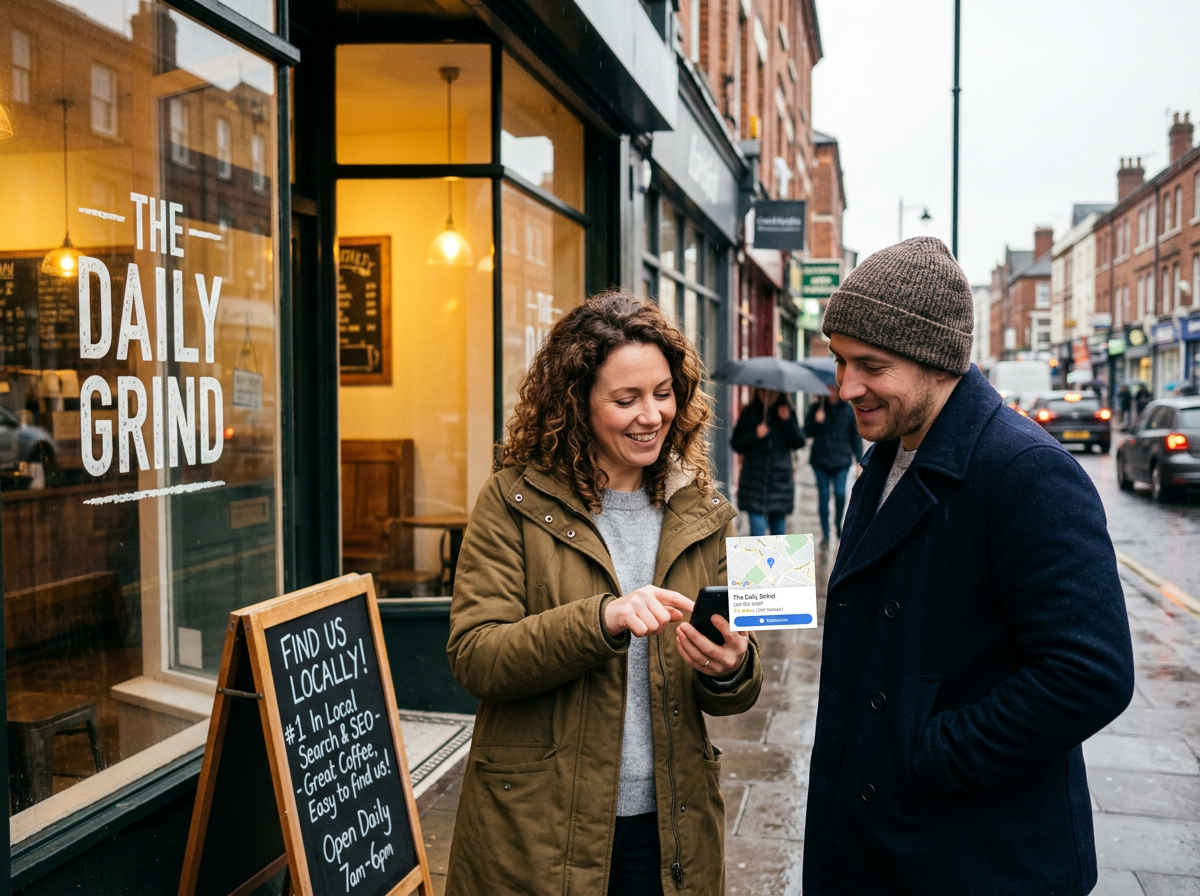
Your next customer might not know your business exists yet. But they probably know what they’re looking for.
That’s why search engine optimization (SEO) is such an important part of inbound marketing.
When someone searches Google for a service, product, or solution, you want your business to appear in the results. Rather than interrupting someone with an unsolicited call, you’re positioning your business where interested customers are already looking.
Start by focusing on three areas:
Website SEO
Optimize your website with relevant keywords, informative service pages, helpful blog content, and clear calls to action. Make sure your website is mobile-friendly and easy to navigate.
Local SEO
If you serve a specific geographic area, make sure your Google Business Profile is complete and regularly updated. Include accurate business information, service descriptions, photos, and customer reviews.
Search-Friendly Content
Create website pages and blog articles around the questions your ideal customers are asking. Think beyond generic keywords and focus on specific search phrases that reflect customer needs.
For example:
- A Realtor could target “homes for sale in Blue Springs, Missouri.”
- A home builder could write about “what to expect when building a custom home.”
- A marketing consultant could target “social media marketing for small businesses.”
The goal is to show up when potential customers are actively looking for what you offer.
The takeaway: Good SEO works behind the scenes, helping qualified prospects discover your business while you focus on running it.
3. Email Marketing: Build Relationships Instead of Chasing Leads

Just because someone isn’t ready to buy today doesn’t mean they won’t become a customer tomorrow.
This is where email marketing shines.
Unlike cold calling, email marketing gives people the opportunity to hear from your business on their own schedule. It also allows you to stay connected with potential customers without constantly asking for a sale.
The key is to provide value rather than fill someone’s inbox with promotional messages.
Consider creating a simple email marketing strategy that includes:
- Monthly newsletters: Share industry updates, helpful articles, company news, and seasonal tips.
- Educational email sequences: Send a series of emails that help prospects understand a particular service or solve a common problem.
- Customer success stories: Highlight testimonials, case studies, and examples of how your business has helped others.
- Helpful reminders: Share timely information, checklists, or resources that are relevant to your audience.
For example, a real estate agent could send a monthly newsletter featuring local market updates, home maintenance tips, and community events.
A small business marketing consultant could share monthly marketing advice, social media trends, and website improvement tips.
Neither newsletter needs to be a constant sales pitch. The goal is to remain visible, useful, and memorable.
When subscribers are ready to make a purchase or need your services, your business is already on their radar.
The takeaway: Consistent, helpful communication builds relationships that can eventually turn into customers.
Cold Calling vs. Inbound Marketing: What’s the Difference?
Traditional outbound marketing and inbound marketing both have a place in business development. However, they approach potential customers very differently.
| Traditional Cold Calling | Inbound Marketing |
|---|---|
| Interrupts potential customers | Attracts interested prospects |
| Starts with a sales pitch | Starts with helpful information |
| Relies on purchased or collected contact lists | Builds an audience through content and visibility |
| Often focuses on immediate results | Builds long-term relationships |
| Requires constant outreach | Creates opportunities for ongoing discovery |
Inbound marketing isn’t necessarily easier or faster. It takes consistency, planning, and patience. But it can create a more sustainable way to generate leads because your content, website, and email campaigns continue working long after you’ve published or sent them.
Is Cold Calling Really Dead?
Not exactly.
There are still industries and situations where direct outreach makes sense. Some businesses rely on relationship-based prospecting, referrals, networking, and targeted sales calls.
But the days of relying exclusively on cold calls to generate business are fading.
Today’s consumers expect businesses to meet them where they are: online, on social media, in search results, and in their inboxes.
The smartest marketing strategy isn’t necessarily about eliminating outbound sales. It’s about giving potential customers more reasons to come to you.
Instead of asking, “Who can I call today?” Start asking:
- What questions are my potential customers asking?
- What information can I provide that would help them?
- Is my business easy to find online?
- Am I staying connected with people who aren’t ready to buy yet?
Those questions can lead to a much more effective marketing strategy.
Ready to Attract More Leads Without the Hard Sell?
You don’t need an aggressive sales pitch to grow your business. You need a marketing strategy that makes it easier for the right people to find you, understand what you offer, and trust your expertise.
At LK Marketing, we help small businesses, real estate professionals, and entrepreneurs build their online presence through strategic content creation, social media marketing, website design, SEO-friendly copywriting, and marketing campaigns.
Let’s spend less time chasing leads and more time creating opportunities.
Visit LK Marketing to explore marketing services designed to help your business get noticed.


Leave a Reply