For decades, business cards have been a staple of professional networking. Whether exchanged at a conference, handed to a prospective client, or tucked into a folder after a business meeting, they have served one simple purpose: making it easy for people to remember you and get in touch.
But in an increasingly digital world, where contact information can be shared with a QR code, smartphone tap, or social media profile, are traditional business cards still relevant?
As we move into 2027, the answer isn’t quite as simple as yes or no. Business cards aren’t necessarily outdated, but the way businesses use them is changing. For small business owners, entrepreneurs, and real estate professionals, the key is understanding how this traditional marketing tool fits into a modern marketing strategy.
The Case for Traditional Business Cards
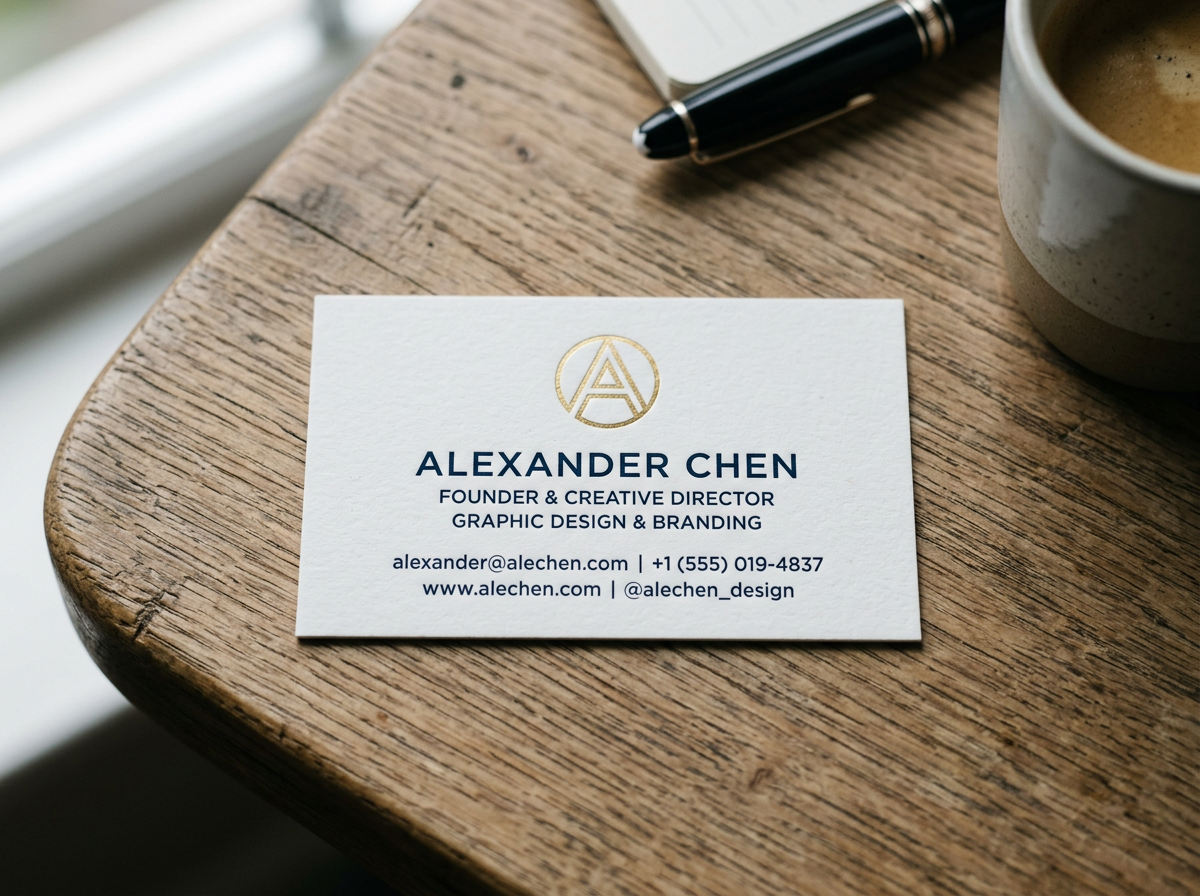
Despite the growth of digital networking, printed business cards still offer something technology can’t always replicate: a personal, tangible connection.
Think about attending a networking event, meeting a potential client over coffee, or introducing yourself to someone at a community event. Handing someone a business card creates a natural opportunity to continue the conversation.
Traditional business cards offer several advantages:
1. Personal Interaction
Exchanging business cards adds a personal touch to professional introductions. It gives people something physical to take with them and reinforces the connection you just made.
2. Brand Recognition
A professionally designed business card is a miniature representation of your brand. Your logo, colors, typography, and messaging all contribute to the impression someone forms about your business.
3. Convenience
Not everyone wants to scan a QR code, download an app, or exchange contact information through their phone. A printed card provides immediate access to your contact details without requiring technology.
4. Local Networking
For businesses that depend on local relationships, traditional business cards remain useful. Community events, chamber meetings, open houses, trade shows, and client appointments are all opportunities to put a card into someone’s hands.
The Rise of Digital Business Cards
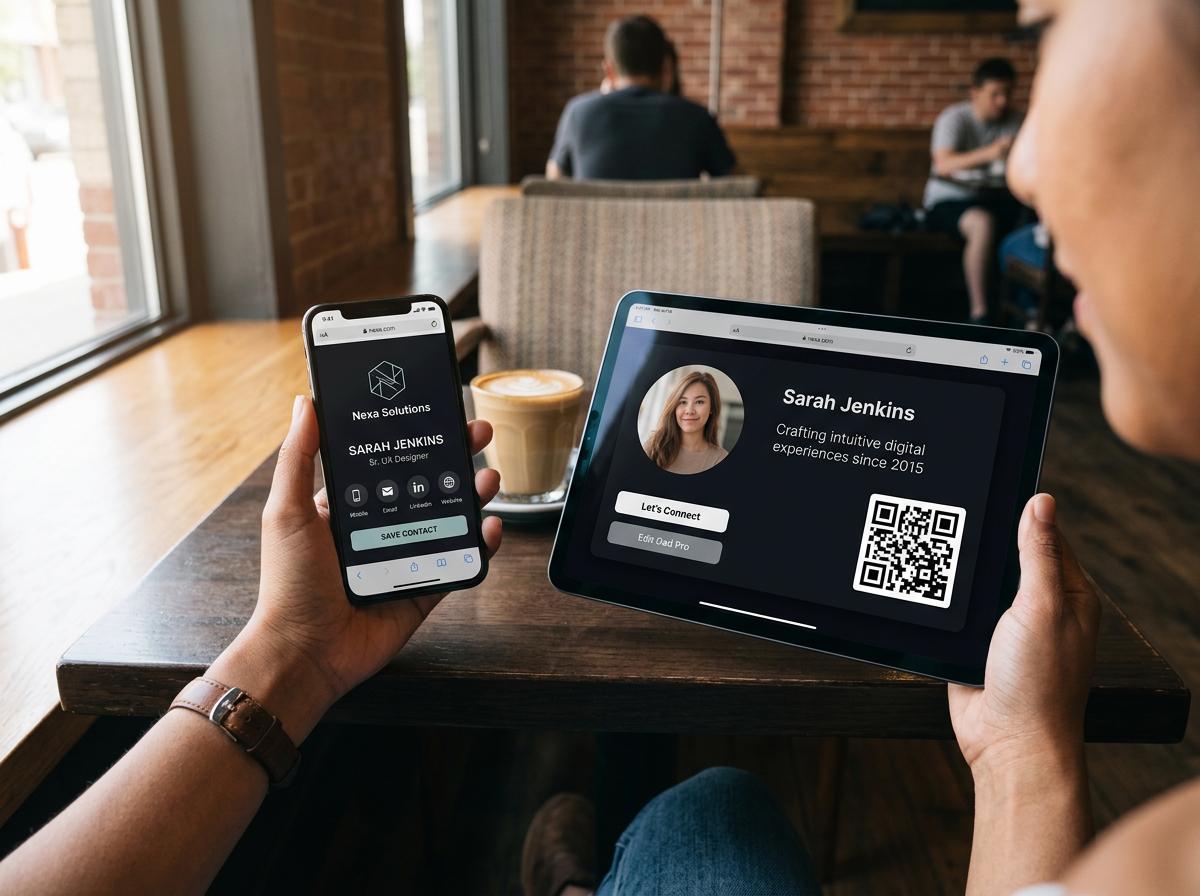
While printed cards remain relevant, digital alternatives are becoming an increasingly attractive option.
Digital business cards allow professionals to share their contact information electronically, often through a personalized landing page or digital profile. Instead of carrying a stack of printed cards, you can share your information with a simple tap, scan, or link.
Some popular digital business card features include:
- QR Codes: Recipients scan a code to access your contact information, website, portfolio, or social media profiles.
- NFC Technology: Near Field Communication allows you to share your digital profile by tapping an NFC-enabled card against a compatible smartphone.
- Digital Contact Files: People can download your contact information directly to their phone.
- Interactive Profiles: Digital cards can include clickable links, appointment scheduling, videos, portfolios, and social media accounts.
- Real-Time Updates: Change your phone number, website, or other contact information without having to reprint your cards.
For business owners who regularly update their contact information or want to direct potential customers to multiple online destinations, digital business cards offer flexibility that traditional cards simply can’t match.
Printed vs. Digital: Which Is Better?
The right choice depends on your business, audience, and networking habits. Neither option is automatically better than the other.
Here’s how they compare:
| Feature | Traditional Business Cards | Digital Business Cards |
|---|---|---|
| Cost | Printing costs and reorders | Often free or subscription-based |
| Convenience | Easy to hand out | Easy to share electronically |
| Branding | Physical design and finishes | Interactive digital experience |
| Updates | Requires reprinting | Can be updated instantly |
| Accessibility | No technology required | Requires a compatible device |
| Engagement | Primarily contact information | Links, videos, booking tools |
| Sustainability | Uses paper and printing materials | Reduces physical printing |
For many small businesses, the best solution may be a combination of both.
5 Business Card Trends to Watch in 2027
Business cards are becoming more than just a place to list your name, phone number, and email address. Design, technology, and branding are changing how businesses approach this traditional marketing tool.
Here are five trends worth watching in 2027.
1. QR Codes Become Standard
QR codes are no longer limited to restaurant menus and product packaging. They’re increasingly being used in business networking.
Adding a QR code to a printed business card allows recipients to visit your website, view your portfolio, schedule an appointment, or follow your social media accounts.
The important thing is to give people a reason to scan. Make sure the destination is useful, mobile-friendly, and easy to navigate.
2. Minimalist Design Makes a Statement
Less is often more when it comes to business card design. Clean layouts, readable typography, intentional white space, and carefully selected brand colors create a polished, professional appearance.
Instead of trying to fit every service and social media account onto one card, businesses are focusing on the essentials and directing people online for additional information.
3. NFC-Enabled Cards Gain Attention
NFC technology offers another way to connect physical and digital networking. A card embedded with an NFC chip can share a digital contact profile when tapped against a compatible smartphone.
This technology is particularly appealing to professionals who attend frequent networking events, conferences, and client meetings.
4. Unique Materials and Finishes Stand Out
For businesses that want to make a memorable impression, creative printing techniques remain an opportunity to differentiate their brand.
Consider:
- Textured or premium cardstock.
- Matte or soft-touch finishes.
- Spot UV and foil accents.
- Rounded corners and unconventional shapes.
- Recycled and environmentally conscious materials.
A well-designed card doesn’t need to be extravagant. It simply needs to reflect the quality and personality of your business.
5. Business Cards Become an Extension of Your Digital Brand
Modern business cards should connect seamlessly with your online presence.
Your website, social media accounts, portfolio, and other marketing materials should all communicate a consistent brand identity. A business card is often someone’s first introduction to your company, so it should look and feel like the rest of your marketing.
Why Real Estate Professionals Should Still Carry Business Cards
For real estate agents, lenders, builders, and other professionals in the housing industry, business cards continue to serve a practical purpose.
Real estate is built on relationships. Open houses, networking events, community gatherings, client consultations, and referrals create opportunities to introduce yourself and establish connections.
A thoughtfully designed real estate business card can include:
- Your name, professional title, and contact information.
- Brokerage or company branding, where applicable.
- A professional headshot.
- A QR code linking to your website or property search.
- Links to your social media profiles.
- A direct link to schedule a consultation.
For agents, a business card can also serve as a subtle reminder of your services long after an open house or initial conversation has ended.
The goal isn’t to cram every possible detail onto the card. It’s to make it easy for someone to take the next step.
How to Decide What’s Right for Your Business
Before investing in another batch of business cards, consider how you actually interact with customers and potential clients.
Ask yourself:
- Do I regularly attend networking events or meet clients in person?
- Does my target audience prefer printed or digital communication?
- Would a QR code help drive traffic to my website or social media?
- Is my current business card consistent with my branding?
- Am I making it easy for potential customers to contact me?
If you frequently network in person, printed cards are still a worthwhile investment. If most of your business happens online, a digital business card may be more practical.
And if you do a little of both, there’s no reason you can’t use both formats.
The Verdict: Business Cards Aren’t Dead. They’re Evolving.
So, are business cards still necessary in 2027?
Absolutely—but not necessarily in the same way they were ten or twenty years ago.
Traditional business cards continue to provide a convenient, personal way to introduce yourself and reinforce your brand. Digital business cards offer additional flexibility, interactive features, and opportunities to connect with your online presence.
The smartest approach is to stop thinking of business cards as an outdated marketing expense and start thinking of them as one component of a larger branding strategy.
Whether printed, digital, or a combination of both, your business card should accomplish one important thing: make it easy for people to remember you and take the next step.
Need a business card that makes a lasting impression?
At LK Marketing, I create custom business cards and branded marketing materials that help small businesses and real estate professionals present a consistent, professional image. From traditional print designs to QR-code-ready layouts, the right design can help your business make a stronger first impression.
Your business card may be small, but its impact on your brand doesn’t have to be.


Leave a Reply